Genset Digest / Certification & Standards / OEM authorisation
OEM Authorization Explained
Most generating set offers contain a scanned letter on an engine maker's letterhead. It answers one useful question, whether the engine channel is genuine, and it is routinely mistaken for an answer to three others it says nothing about.
Somewhere in most generating set offers there is a scanned letter on an engine maker's letterhead, naming a set builder and confirming a relationship. Buyers ask for it, suppliers produce it, and very few people on either side of the transaction could say precisely what it certifies. It is worth being exact, because the letter answers one useful question and is routinely mistaken for an answer to three others.
What it certifies is an agreement: that a named genset builder is entitled to buy and fit a given engine brand's products into generating sets, usually within a defined territory, for a defined period, and often with defined model families named.

What it does tell a buyer
Three things, and they are not trivial. First, that the engines reaching the set builder come through the manufacturer's own channel rather than through a grey market, which matters because counterfeit and reconditioned engine parts are a real problem in this trade. Second, that the warranty route for the engine is likely to be intact, since warranty is administered through that same channel. Third, that the set builder can normally obtain genuine parts and technical support, which is what a customer actually consumes over ten years.
Those three add up to a supply chain assurance. On a machine expected to run for two decades, supply chain assurance is worth having in writing.
| Question | Does the letter answer it? |
|---|---|
| Does the builder buy engines through the official channel? | Yes, that is its purpose |
| Is the engine warranty route intact? | Usually, and it should say so |
| Can genuine parts be obtained? | Normally implied by the arrangement |
| Is the finished set well built? | No |
| Is the quoted kVA rating correct? | No |
| Was this particular machine tested? | No, that is the test report |
What it does not tell a buyer
It says nothing about the quality of the finished set. The engine is one component; the alternator, the coupling, the radiator sizing, the control system, the switchgear, the base frame and the enclosure are all the set builder's work, and none of them are covered by an engine maker's letter.
It says nothing about the rating. As set out in the explainer on OEM, assembler and distributor roles, the kVA figure and its duty class are declared by the assembler, not by the engine maker. An authorisation letter and an optimistic rating plate can coexist happily.
And it says nothing about the individual machine. Only a factory acceptance test report does that, which is why the certification and standards page argues that a test record is worth more than any certificate in the file.
Who issued it: the engine manufacturer, a regional subsidiary, or a distributor. What period it covers, and whether that period is current. Which engine models or families it names. And which territory it applies to, since an authorisation valid in one region does not automatically extend to another.
Why buyers ask for one before ordering
The request usually appears at the point where a buyer is choosing between a well-known supplier and an unfamiliar one at a lower price. It is a cheap piece of due diligence: the letter either exists or it does not, and asking for it costs nothing. In tender documents it often appears alongside a request for the engine test report and the alternator certificate, which together give a reasonable picture of the component chain.
On export projects the letter carries additional practical weight, because it is a clue about which service network will pick up the phone when a machine fails 400 kilometres from the nearest town. The wider version of that concern is set out in the international case studies section.
Where it belongs in the file
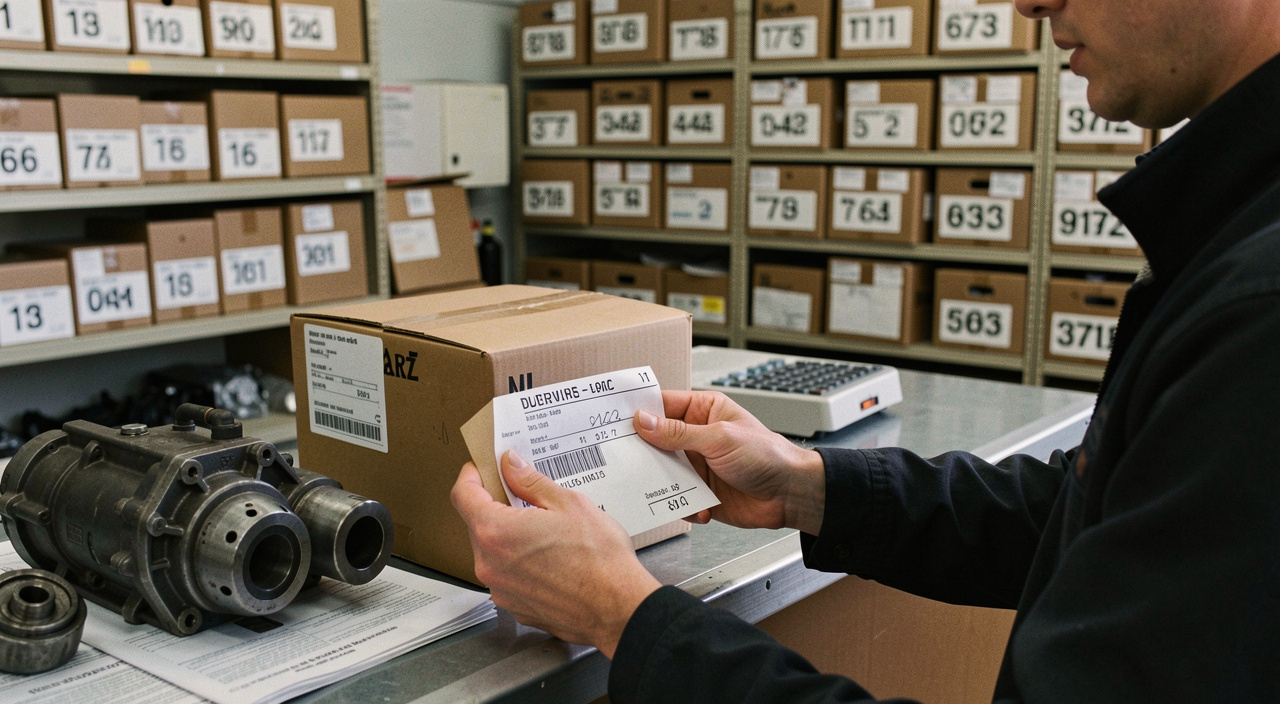
The authorisation letter belongs in the supplier file, alongside the company registration and the quality certificates. The machine file is a different thing: rating plate photographs, engine and alternator serial numbers, the factory acceptance test report, the commissioning report and the load test results. Keeping the two apart avoids the common confusion of treating a supplier document as evidence about a machine.
What the machine file should contain in full is set out in the certification and standards page, and the test that produces its most valuable single document is described in the load bank testing guide. For the engine platform context behind whichever brand is named on the letter, the generator set section carries a page for each of the main families.
Read next
For the rest of the document vocabulary, from ISO 8528 to IP codes, read certification and standards in generator manufacturing.
For who actually declares the rating that the letter says nothing about, see generator manufacturers explained.
For the document that does describe your individual machine, the load bank testing guide covers the test and the log sheet it produces.