Genset Digest / Diesel Generator Sets / Yuchai
Yuchai Generator Sets
The YC series covers roughly 30 to 1,400 kVA, which is a wider band than most single platforms manage. This page maps the families to their output bands, and works through the specification questions that follow when a set is bought for a grid that fails regularly rather than as insurance against a rare outage.
Guangxi Yuchai Machinery, based in Yulin, builds the YC series that powers a large share of the generating sets shipped from China into Africa, South and Southeast Asia and South America. The range in genset form runs from roughly 30 kVA on a four-cylinder block to about 1,400 kVA on a V12, which is wider than most single platforms manage.
The model codes read left to right: YC, then the number of cylinders, then a family letter, then in many cases a displacement or power code. YC4D is a four-cylinder D family engine; YC6MK is a six-cylinder M family engine; YC12VC is a V12 in the C family. Once the family letter is known, the output band follows.
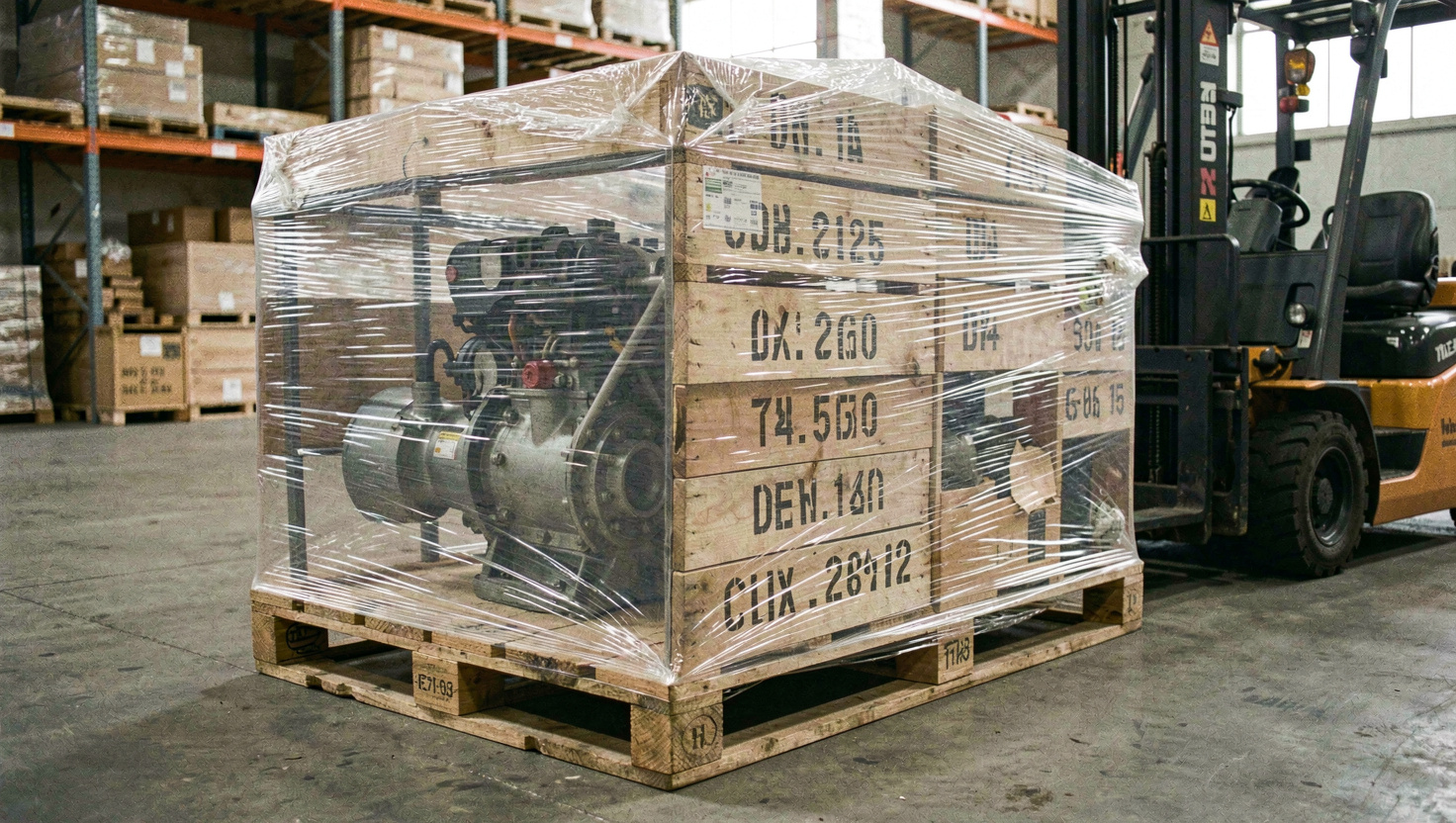
The YC families by output band
The four-cylinder D and A families cover the small end, roughly 30 to 70 kVA. The six-cylinder B family covers about 75 to 130 kVA, and the six-cylinder A family about 150 to 220 kVA. The M and T families cover the mid range, roughly 250 to 500 kVA, and the C family the heavy end, from about 450 kVA on the inline six up to 1,400 kVA on the V12.
| Family | Cylinders | Typical displacement | Typical genset output at 50 Hz |
|---|---|---|---|
| YC4D | 4 in line | 3.7 L | 30 to 50 kVA |
| YC4A | 4 in line | 4.3 L | 50 to 70 kVA |
| YC6B | 6 in line | 5.2 L | 75 to 130 kVA |
| YC6A | 6 in line | 7.3 L | 150 to 220 kVA |
| YC6MK and YC6M | 6 in line | 9.8 L | 250 to 400 kVA |
| YC6T | 6 in line | 11.8 L | 330 to 500 kVA |
| YC6C | 6 in line | 16 to 20 L | 450 to 800 kVA |
| YC12VC | V12 | 31 to 39 L | 900 to 1,400 kVA |
Why these sets travel
The export pattern is not an accident of price alone. Sets in this class are built for grids that fail regularly, which means the machine is bought as a working power source rather than as insurance. A set that runs 1,500 hours a year in a Lagos or Dhaka installation is being asked for prime duty, not standby duty, and the rating on the plate has to say so. Buying a set on its standby figure and then running it as prime power is the most common specification error in these markets, and it is the reason the duty classes get their own treatment in the generator set section.
Shipping shapes the product too. Container-mounted sets, weatherproof canopies and integrated base tanks are standard rather than optional, because the machine frequently arrives at a site with no building to put it in. What that does to the specification, from ventilation to fuel autonomy, is the sort of question the profiles in the international case studies section are organised around.
A set running 1,500 hours a year will pass a 250 hour oil interval six times in twelve months. The same set sold as standby plant would reach the calendar limit long before the hour limit. Deciding which limit governs is the first step in writing a service contract, not an afterthought.
Commissioning and the first hundred hours
Sets built on these platforms are frequently commissioned by a local contractor rather than by the engine maker's own network, which puts the running-in period at risk. A new engine put straight onto a heavy continuous load has not had the chance to bed its rings against the cylinder honing, and the consequence, higher oil consumption for the rest of the engine's life, is permanent. The reasons and the recommended approach are set out in the break-in period guide.
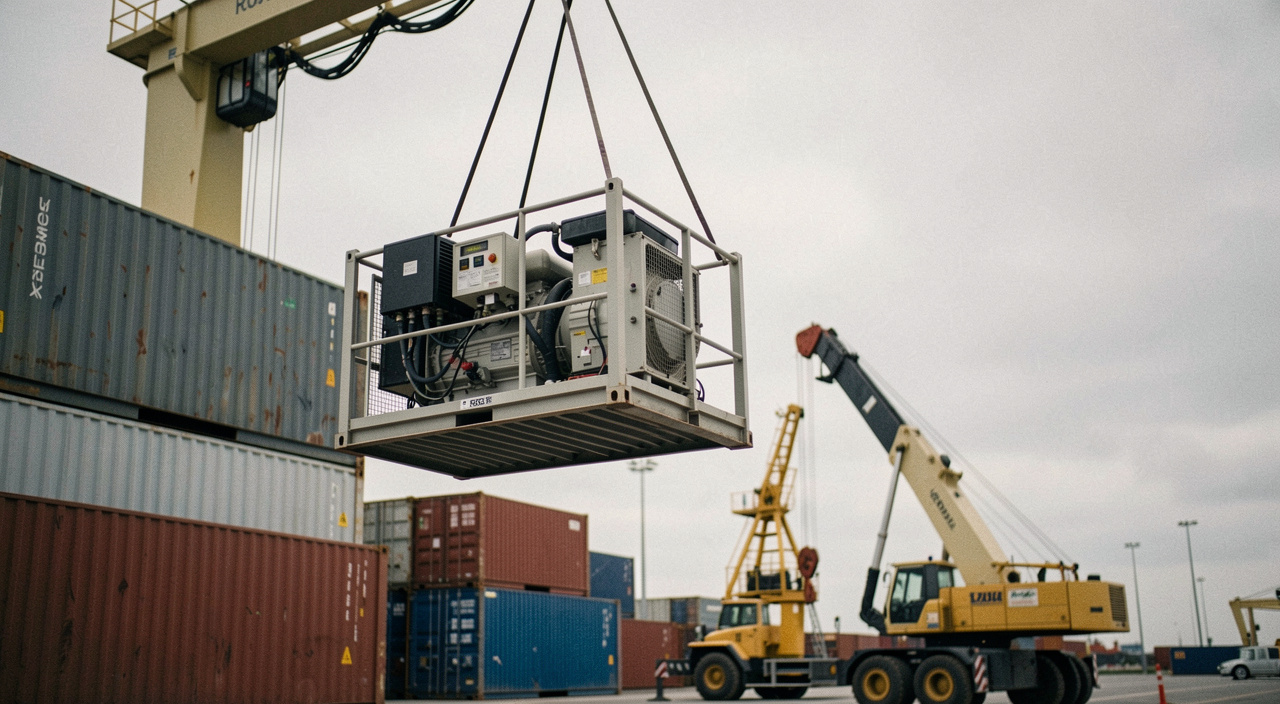
Documentation to insist on
Three documents matter more than the brochure. The engine test report, which records the output achieved at the factory and the conditions it was achieved under. The alternator certificate, which identifies the insulation class and the winding configuration. And the genset rating plate data, photographed at handover. Where an engine brand authorisation is offered as part of the package, the page on what an OEM authorisation letter actually certifies explains how much weight it carries.
For the format these datasheets normally take, and the figures worth extracting from them, the English technical datasheet page sets out the structure. For a platform at the same market tier, the Shangchai page is the natural comparison.
Read next
The closest comparison in specification and price is the Shangchai SDEC platform page, which follows the same plan.
If the set will run as prime power rather than standby, the sizing method and the duty class discussion in the generator set hub should be read together before ordering.
For the export-market view of what these installations have to survive, the international case studies collect the project-level constraints.