Section index · maintenance and operation · 24/07/2026
Maintenance & Operation Guides
A generating set spends most of its life switched off, and almost everything that goes wrong with it happens while it stands still. Fuel ages, coolant loses its additives, seals dry, batteries sulphate.
These guides are organised by the thing that fails rather than by the calendar, and each one links back to the engine platform pages where the point is brand-specific.
Maintenance on a generating set is unusual in one respect: the machine spends most of its life switched off, and almost everything that goes wrong with it happens while it is standing still. Fuel ages in the tank. Coolant loses its additive package. Seals dry. Batteries sulphate. Then the machine is asked for full power in ten seconds, once, on the worst day of the year.
The guides in this section are written around that reality. They are organised by the thing that fails rather than by the calendar, and where a problem is specific to an engine family they link back to the platform page that covers it.
The schedule, and which limit governs
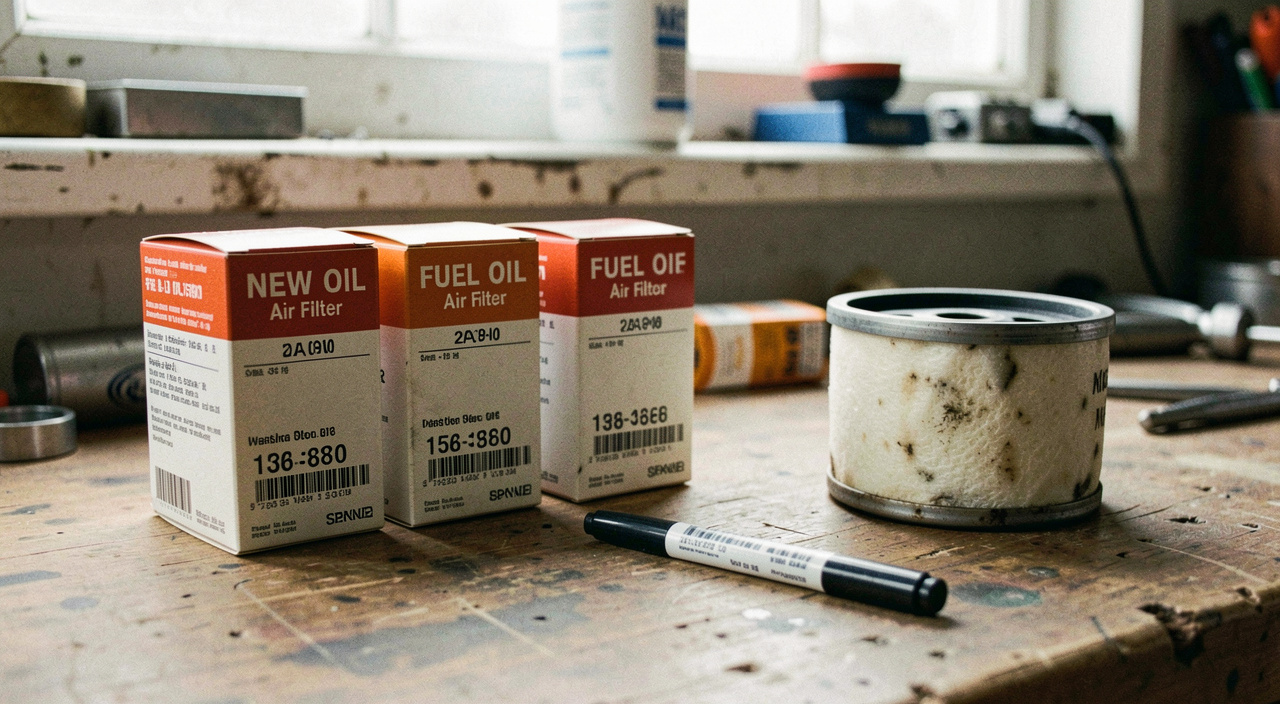
Almost every published interval has two limits: a number of running hours and a period of calendar time, whichever comes first. On a prime power machine running 1,500 hours a year the hour limit governs and the schedule looks like a truck's. On a standby machine running 30 hours a year the calendar limit governs every time, and an operator who plans maintenance from the hour meter will service the set roughly once a decade.
That distinction is the first thing to settle when a service plan is written, and it is worked through with the actual figures in the oil and filter change interval guide, including the case for a higher oil grade and what it does and does not buy.
| Interval | Typical work | Governing limit on standby plant |
|---|---|---|
| Weekly | Visual check, fluid levels, battery, no-load start | Calendar |
| Monthly | Exercise run, leak check, coolant level, filter indicator | Calendar |
| 250 h or 1 month | Oil and oil filter, fuel filter, water separator drain | Calendar |
| 500 h or 6 months | Air filter, belts, hoses, valve clearance check | Calendar |
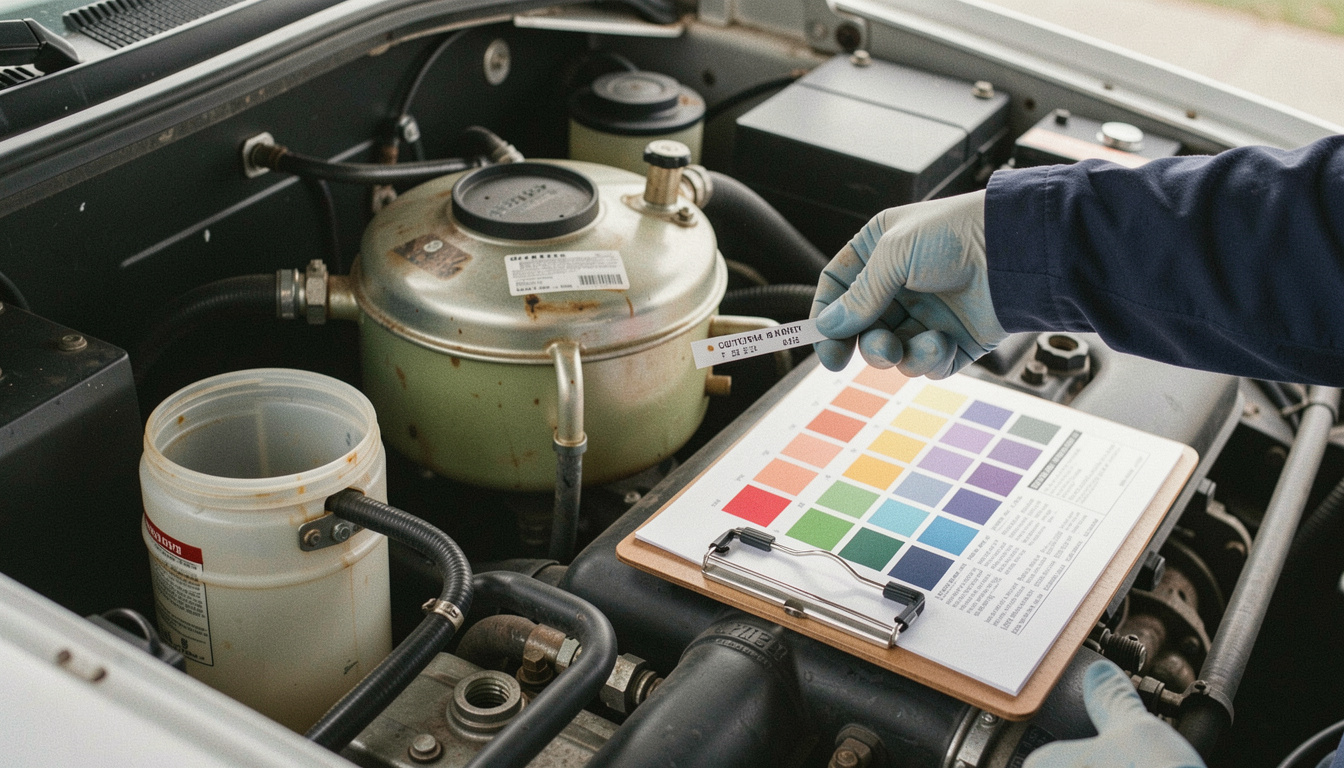
| Annual | Load test at rated output, coolant analysis, full inspection | Calendar |
| 2 years | Coolant renewal, injector check per engine family | Calendar |
The four guides in this section
Overheating is the fault that most often gets misdiagnosed, because a cooling symptom can have an electrical cause. A three-phase load imbalance loads one winding harder than the others, and the winding gets hot without the coolant ever explaining why. The checks that separate the two are in the overheating guide.
Fire safety belongs in a maintenance section rather than a compliance one, because the fire risks in a generator room are created by maintenance conditions: fuel on a hot surface, a battery charging in a poorly ventilated corner, an oily rag left on a manifold. The layout and the extinguisher types are covered in the generator room fire safety guide.
Running-in is the shortest window and the easiest to lose. A new or overhauled engine needs its rings to bed against the cylinder honing before it is asked for sustained full load, and the consequences of skipping that are permanent rather than temporary. The break-in guide explains what the first hours are actually doing.
And the fuel tank is where most first-run failures start. Corrosion, seal failure and contamination arrive in a predictable order, and there is a sensible order in which to check them, set out in the fuel tank problems guide.
A monthly no-load or light-load exercise proves that the set starts. It does not prove that it delivers rated output, that the cooling package holds temperature, or that the fuel in the tank is fit to burn. Only a load test does that, and running a machine at low load for years does active harm, as set out in the load bank guide.
What the guides assume
Every figure in this section is a planning figure. The engine manufacturer's own manual for the specific engine family takes precedence over any general interval, and where the two disagree the manual wins. That is why each guide links back to the relevant platform page, the Cummins file or the Perkins file, when a point is brand-specific rather than general.
The other standing assumption is that maintenance is recorded. A logbook with dates, hours, work done and readings taken is what turns a set of intervals into a maintenance history, and it is the document that decides warranty arguments. What else belongs in a machine's file is covered in the certification and standards page.
Where to start
If the set is new, start with the running-in guide. If it has been standing for more than a year, start with the fuel tank. If it has been running an exercise cycle for years without a real load, start with the load bank testing and wet stacking guide, because that is the pattern that quietly ruins standby engines. And if the machine is about to be installed rather than serviced, the constraints that decide the installation are in the case studies section.
Read next
The most consequential page here for standby plant is load bank testing and wet stacking, because it explains the damage done by the maintenance routine itself.
For intervals and the calendar limit that usually governs, read the oil change interval guide, then the fuel tank problems guide.
Where a symptom looks thermal but is electrical, the overheating and load imbalance guide separates the two, and the generator set section covers the ratings behind them.